Trump’s Iran War Push Reportedly Fueled By Netanyahu Pitch
Trump’s Iran War Push Reportedly Fueled By Netanyahu Pitch
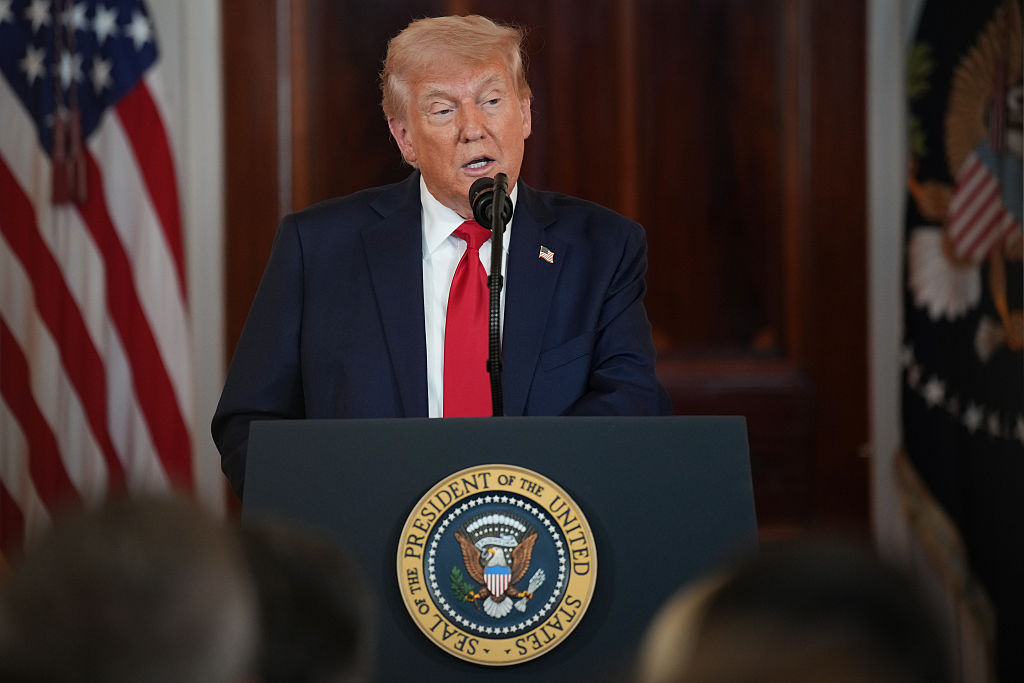
A new report details how President Donald Trump was nudged toward war with Iran by Israeli Prime Minister Benjamin Netanyahu, despite significant doubts from top officials inside his own administration.
According to The New York Times, Trump sought input from advisers but often ignored their recommendations. Vice President JD Vance stood out as the most forceful opponent of military action, warning that there could be a political fallout at home. Others—including CIA Director Jim Ratcliffe, Secretary of State Marco Rubio, and Joint Chiefs Chairman Dan Caine—raised concerns that Netanyahu oversold what a bombing campaign could realistically achieve. Still, none besides Vance directly told Trump the war was a “terrible idea.”
The turning point came during a Feb. 11 Situation Room briefing that included Netanyahu and members of the Mossad, a highly unusual occurrence that was kept small to prevent leaks to the media. During the meeting, Israeli officials made their case. Trump’s reported response—“Sounds good to me”—was interpreted as a green light. The ensuing joint operation has since killed more than 3,500 people, including civilians and U.S. service members.
A day later, U.S. intelligence officials dissected Israel’s plan: eliminate Iran’s supreme leader and spark an internal revolt to push for a regime change. While some inside Trump’s cabinet thought the plan was doable, others found it impossible to achieve. Ratcliffe reportedly dismissed regime change as unrealistic, with Rubio bluntly agreeing. Vance remained deeply skeptical, the Times reports.
Caine went further, warning Trump he was being “oversold,” describing it as a familiar tactic. He also flagged serious logistical risks, including depleted U.S. weapons stockpiles and the vulnerability of the Strait of Hormuz—a critical oil route Iran could disrupt. Trump brushed off those concerns, assuming Iran would back down.
That assumption proved shaky. Iran has maintained its grip on the strait, threatening global oil flows and escalating tensions. Even as doubts mounted, Trump’s decision appeared locked in. In a final meeting days before the Feb. 28 strike, he polled advisers one by one—but by then, according to the report, his mind was already made up.
Concerns extended beyond military strategy as Trump’s Communications Director Steven Cheung warned of political backlash, noting Trump’s campaign stance against foreign wars. Chief of staff Susie Wiles privately worried about another Middle East conflict but chose not to challenge the president directly.
Ultimately, the administration moved forward, shaped by cautionary voices that never fully broke through—and a president determined to act in favor of the Israeli prime minister.
See social media’s reaction to Trump’s relationship with Netanyahu below.
Trump’s Iran War Push Reportedly Fueled By Netanyahu Pitch was originally published on cassiuslife.com