Notable Artists Who Have Publicly Opposed A.I. Music
- Over 200 artists demand tech companies stop using AI to infringe on or devalue human artistry.
- Younger and legendary artists unite to protect their voices, styles, and identities from AI exploitation.
Artificial intelligence has been creeping into music over the last few years, and at first, many people didn’t know exactly what to make of it. Was it a new tool? A shortcut? A threat? A gimmick? Depending on who you asked, AI music either sounded like the future or like the beginning of a major creative problem.
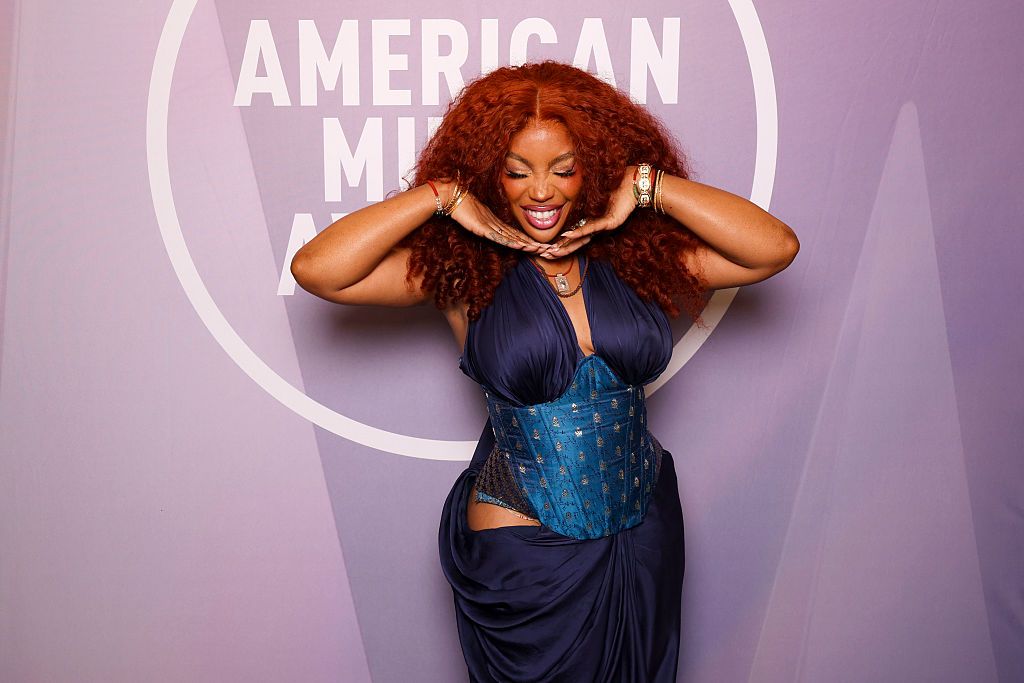
Lately, though, more artists have made it clear where they stand: they are not rocking with AI being used to copy voices, train models on their catalogs without permission or flood streaming platforms with music that sounds like it came from human artists but didn’t. The issue got even louder after SZA recently called out AI music after learning that hundreds of her songs were reportedly included in training data used to generate AI music models. According to reports, SZA urged Black artists not to hand over their creativity to AI and criticized the way Black musicians, writers and producers can be mined for influence without proper consent, credit or compensation.
Her comments also brought Diplo into the conversation, with SZA reportedly calling him out for his connection to Suno, one of the AI music companies at the center of the larger debate. Whether it’s a superstar’s voice being cloned, unreleased work allegedly showing up in datasets or producers worrying their sound could be scraped and recycled, the fear is the same: AI can take years of style, pain, training, tone and cultural influence, then spit it back out with none of the human life attached to it.
That’s why Timbaland’s recent AI push is such an important part of this conversation, too. The legendary producer has been publicly experimenting with AI music and even introduced an AI artist through his Stage Zero company, but he also faced backlash after allegedly using producer K Fresh’s work in an AI demo without proper permission. Timbaland later apologized, saying he believed the song was fully owned by the artist who sent it to him, but the controversy became a perfect example of what artists are worried about: once a song goes into the machine, who controls what happens next?
The backlash isn’t coming just from one corner of the industry, either. In 2024, more than 200 artists, songwriters and music figures signed an Artists Rights Alliance open letter calling on AI developers, tech companies and digital music platforms to stop using AI in ways that infringe on or devalue human artists. The letter acknowledged that AI could have creative uses when handled responsibly, but warned against training models on artists’ work without permission, which could replace human artistry and dilute royalty pools.
That’s the bigger picture behind SZA’s comments. This isn’t just artists being scared of new technology. It’s artists asking who benefits when their voices, likenesses, styles and catalogs become raw material for companies they never agreed to work with. Here are some notable artists who have publicly pushed back against AI music or signed onto efforts calling for stronger protections.
SZA
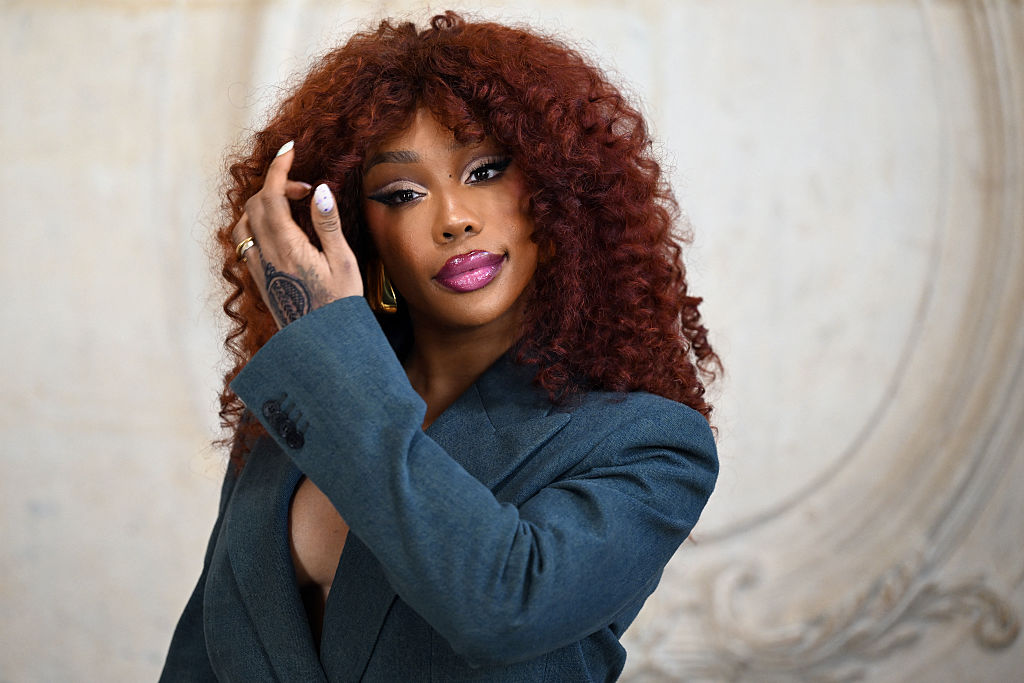
SZA has become one of the loudest recent voices against AI music after discovering that hundreds of her songs were reportedly tied to AI training data. Her stance is especially focused on protecting Black artists, writers and producers from having their creativity extracted, repackaged and monetized without consent.
Nicki Minaj
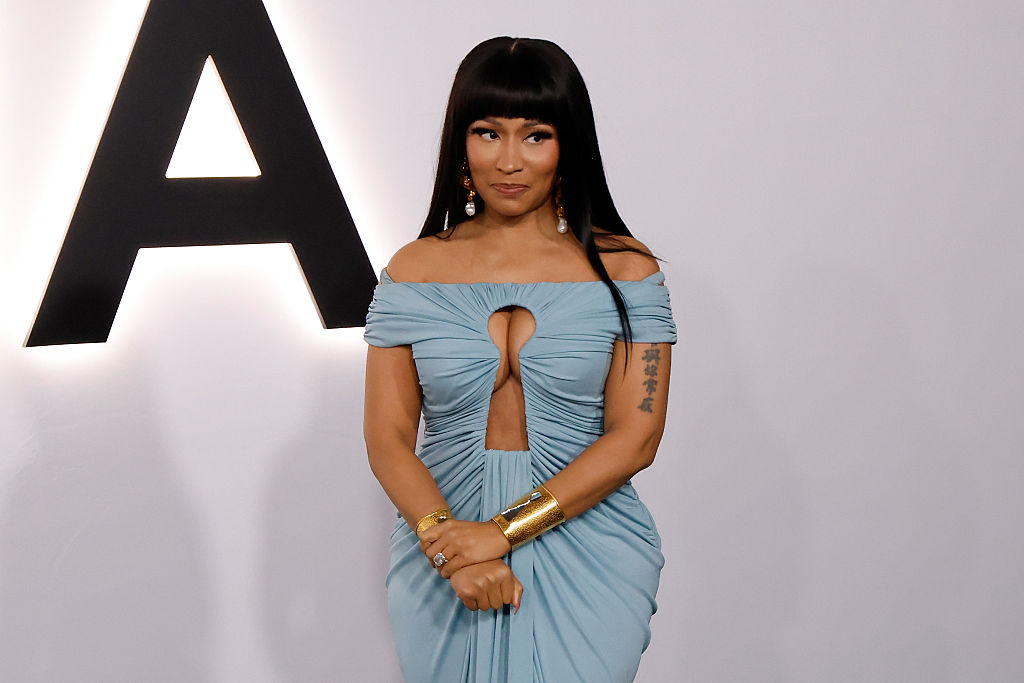
Nicki Minaj was one of the major names attached to the Artists Rights Alliance letter calling out the irresponsible use of AI in music. Her involvement puts her alongside hundreds of artists demanding that tech companies stop using AI in ways that copy voices, undermine creativity or mess with artists’ money.
The Weeknd
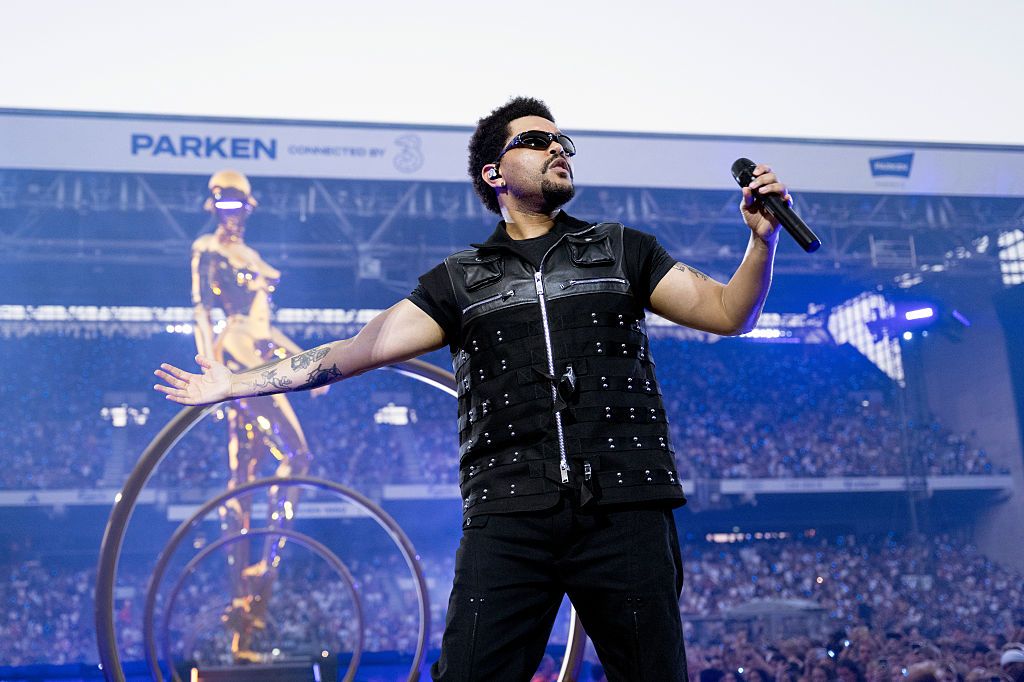
The Weeknd became part of the AI music debate after the viral “Heart of My Sleeve” track used AI-generated vocals made to sound like his and Drake’s voices. While the song blew up online, it was pulled from streaming platforms after Universal Music Group condemned the use of AI-generated content that mimicked its artists.
Billie Eilish

Billie Eilish was one of the most recognizable artists to sign the Artist Rights Alliance letter. Her stance aligns with the broader concern that AI should not be used to replace human songwriters and performers, or to train on their work without permission.
John Legend
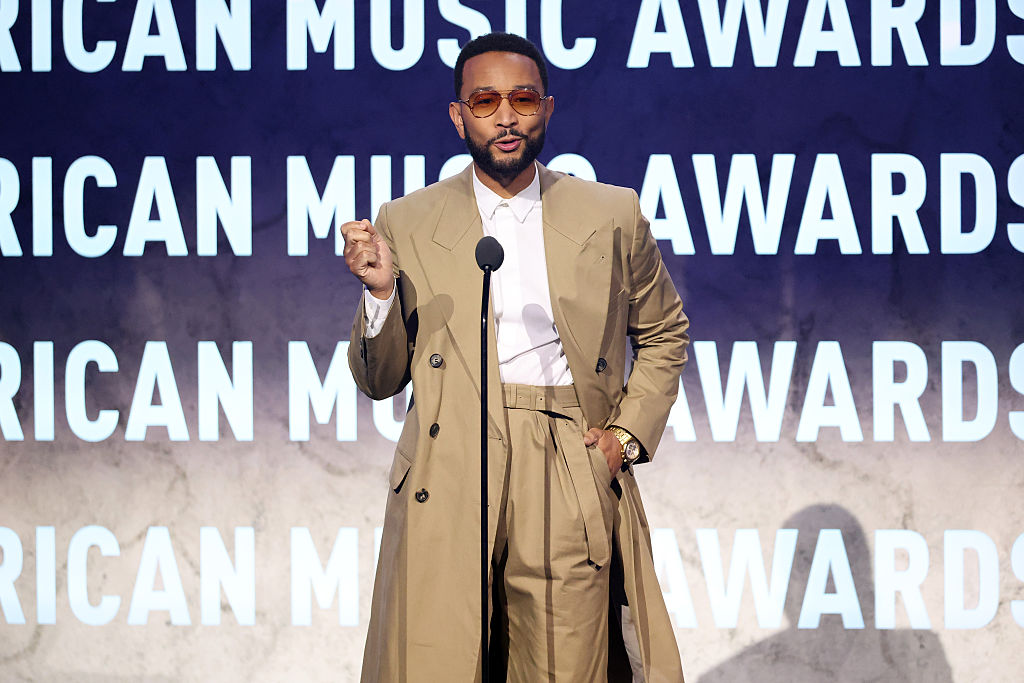
John Legend has taken a more measured but firm position: AI may be part of the future, but artists need regulation and control over how their voices are used. After the fake Drake and Weekend song went viral, Legend said artists’ voices belong to them and that no one should profit from someone’s likeness or voice without permission.
RZA
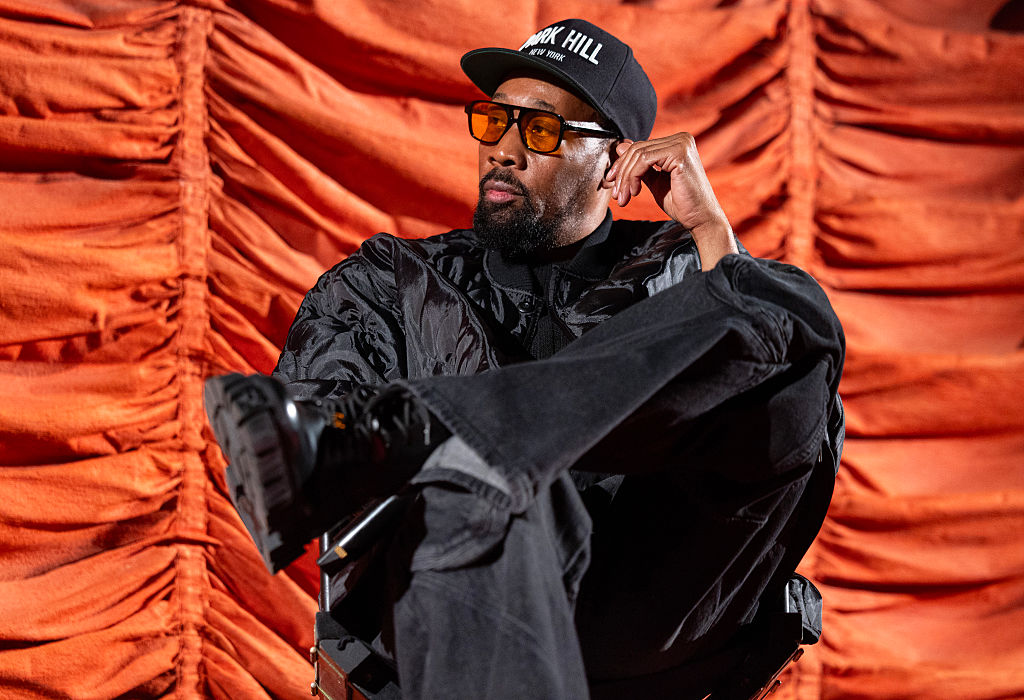
RZA is a little more complicated than some of the names on this list because he has also spoken positively about AI as a creative assistant. Still, he has acknowledged the dangers of AI in music, and his position is best framed as cautious rather than fully anti-AI: the technology can help creators, but it should not replace the soul, struggle, and authorship behind the art.
Stevie Wonder
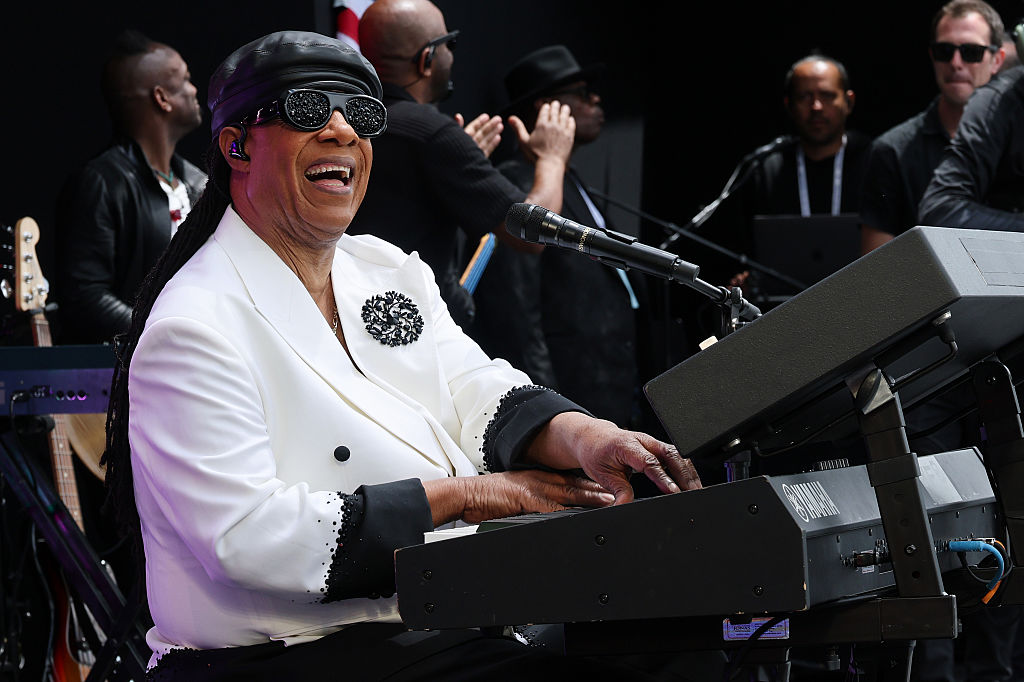
Stevie Wonder was another legendary name attached to the 2024 open letter calling for protections against AI misuse in music. His inclusion mattered because this isn’t just a young-artist issue; even icons who helped define modern music are worried about AI being used to devalue human creativity.
Benny the Butcher
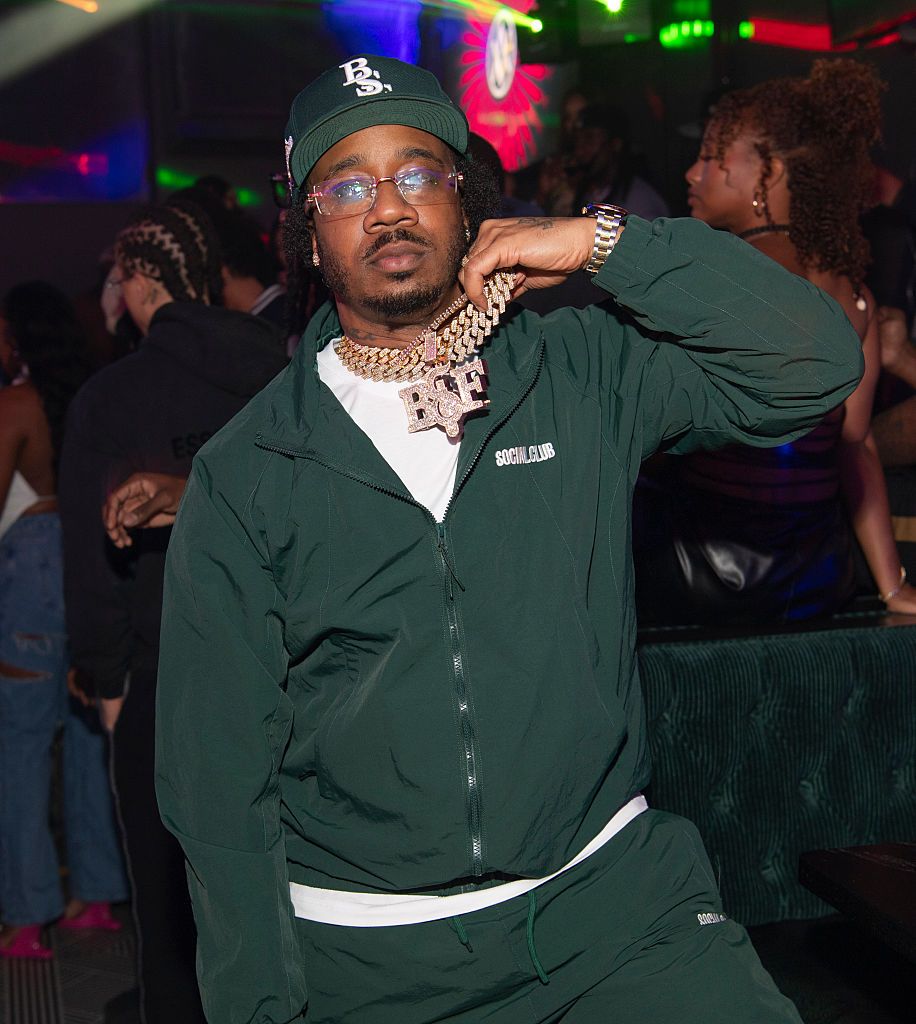
Benny the Butcher also appeared among the artists associated with the Artist Rights Alliance’s push against irresponsible AI. For an artist whose whole brand is built on voice, grit, experience and authenticity, the concern is obvious: AI can imitate the sound, but it can’t recreate the life behind it.
Drake
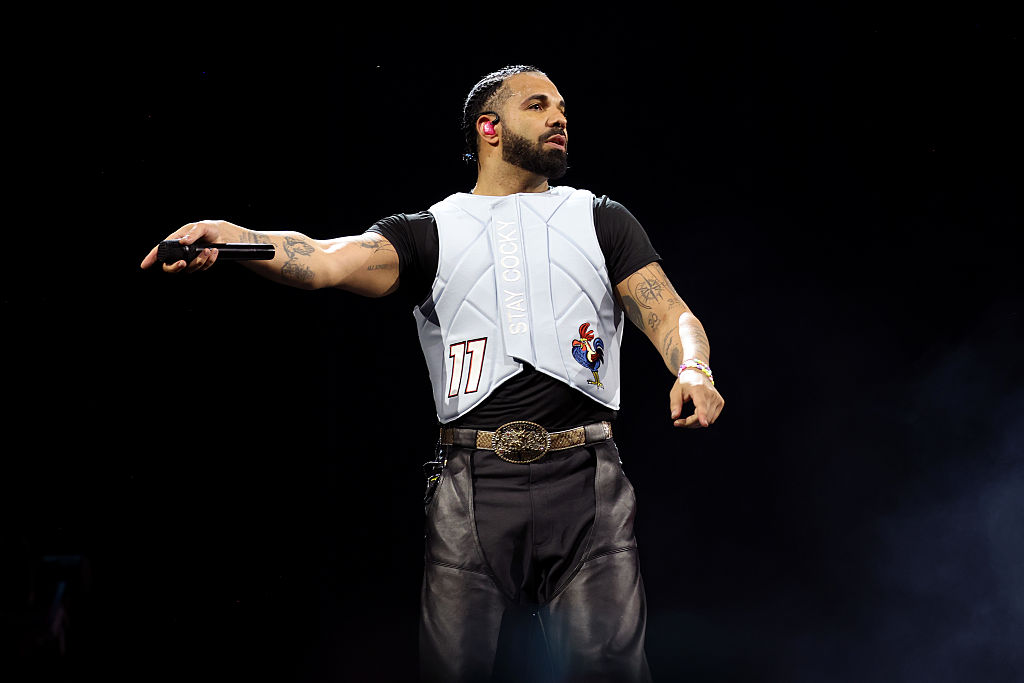
Drake has been on both sides of the AI conversation in the public eye. His voice was cloned for “Heart On My Sleeve,” one of the songs that made AI music a mainstream controversy, but her also caught backlash for using AI-generated Tupac and Snoop Dogg voices on “Taylor Made Freestyle,” which he later removed after Tupac’s estate threatened legal action.
Doechii
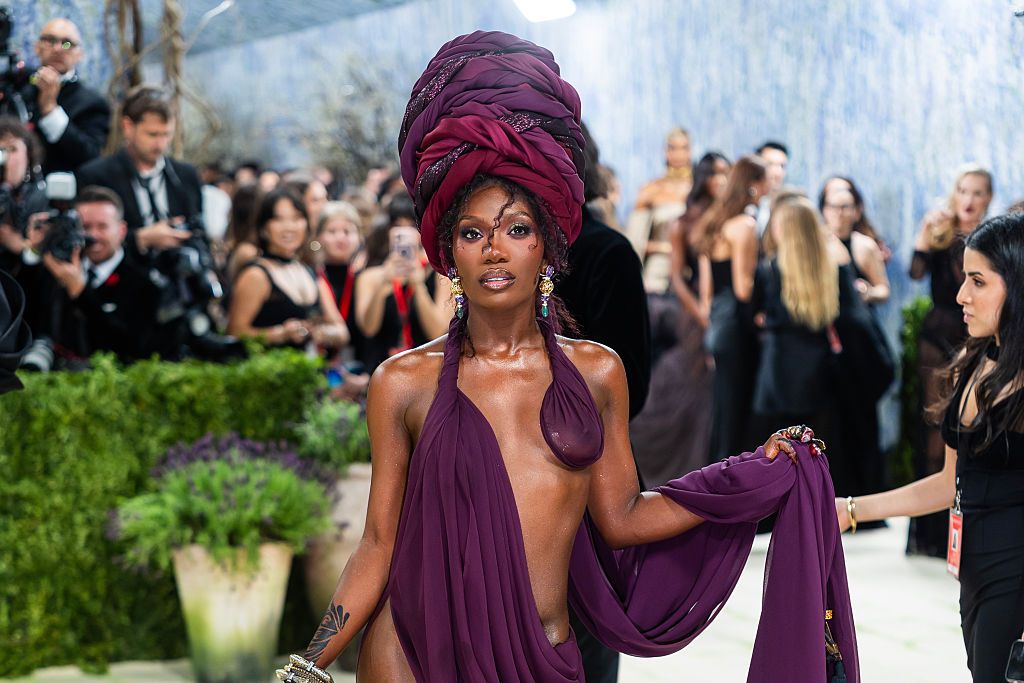
Doechi was also listed among the artists connected to the Artist Rights Alliance open letter. As one of the newer stars in the industry, she shows how younger artists are already thinking about protecting their voice, style, and identity before AI companies get too comfortable borrowing them.
RELATED: The Neo Trapsoul Tour: Our Dream Bryson Tiller Setlist
Notable Artists Who Have Publicly Opposed A.I. Music was originally published on globalgrind.com