How Nike’s Air Max Became Staples Of Culture, Style & Identity
How Nike’s Air Max Became A Staple Of Black Culture, Style And Identity
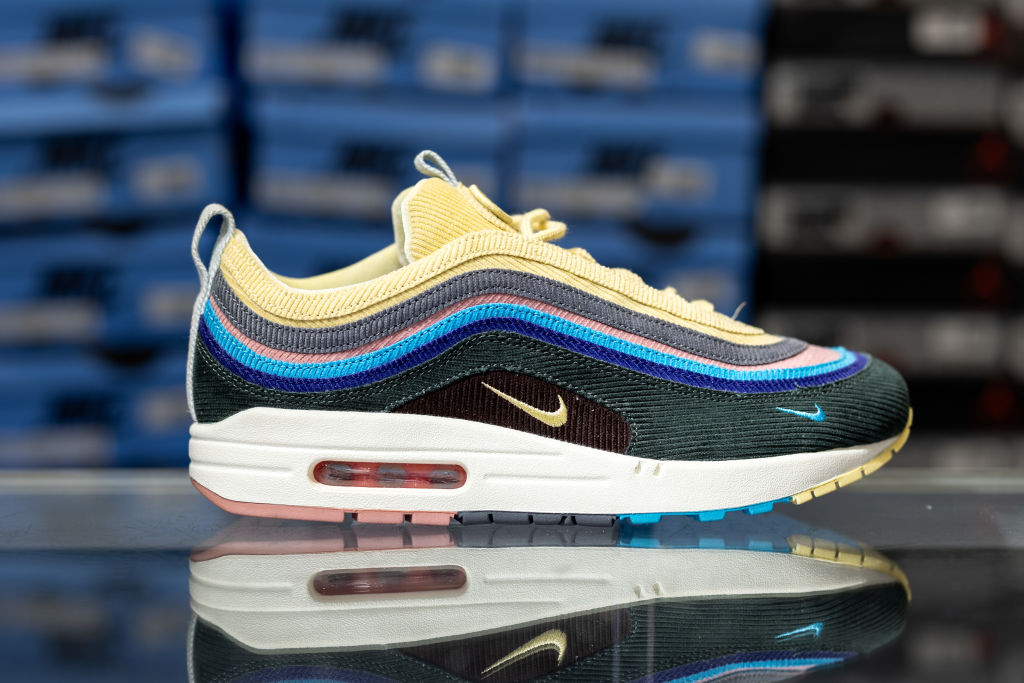
Nike’s Air Max didn’t become a staple in Black culture because Nike told people it was important. It became important because Black folks made it matter in real life. What started in 1987 as a performance runner with a visible Air unit quickly turned into something bigger: a sneaker that looked futuristic, felt premium, and gave everyday style a little extra attitude. The Air Max 1 changed the game by making Nike’s cushioning visible, a risky design choice inspired by Paris’ Centre Pompidou that helped launch one of the brand’s most important franchises. From there, Air Max stopped being just a shoe and started becoming a statement.
That matters because in Black communities, sneakers have never been only about sports. They have been about presentation, confidence, status, taste, and knowing how to put yourself together before you even say a word. NC State textile scholar Delisia Matthews notes that Black culture was foundational to the beginnings of sneaker culture, with Hip-Hop helping to turn sneakers into a full-on language of style and identity. That idea helps explain why Air Max hit so hard: the shoe offered comfort, sure, but it also had presence. The bubble was flashy without feeling corny. The shape was sporty without looking basic. It lets you step outside looking intentional.
And once Air Max found their way into music, streetwear, and neighborhood fashion codes, they really took off. Rappers have been shouting out Air Max for decades, from early references around the Air Max 1 era to later name-drops by artists like Redman and Gucci Mane. That kind of love doesn’t happen by accident. When a shoe keeps showing up in bars, videos, and everyday fits, it means it has crossed over from product to cultural shorthand. Air Max became one of those sneakers that told people you were tapped in — not trying too hard, just sharp, current, and fully aware of the assignment.
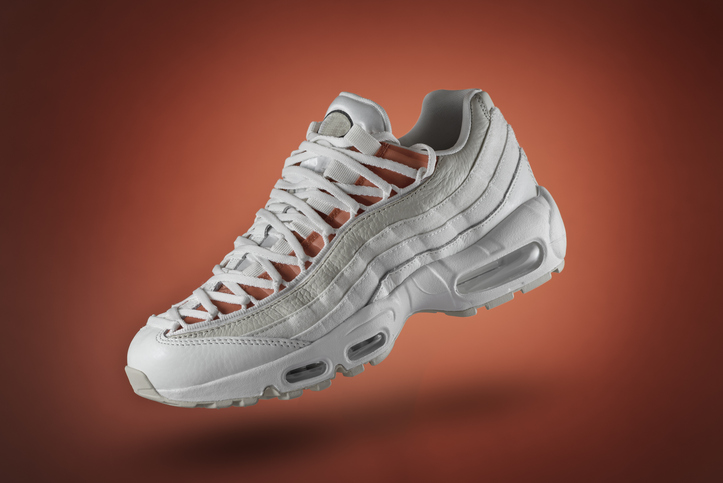
Part of the reason the line lasted is that Nike kept giving people different flavors of the same idea. The Air Max 90 brought more edge. The Air Max 95, designed by Sergio Lozano and inspired by the human body, pushed the line into a bolder, more aggressive lane that still feels fresh today. Even the Air Max Day 2026 release conversation shows how central the 95 remains, with multiple new and retro-inspired pairs leading this year’s rollout. That says a lot. Nearly 40 years after the first Air Max 1 and more than 30 years after the Air Max 95, people still care because these shoes have history, but they also still feel wearable, expressive, and alive in the culture.
That’s really the legacy of Air Max in Black culture: they have always lived at the intersection of function and flair. It is a sneaker you can actually wear, but it also carries memory. It reminds people of certain eras, certain cities, certain songs, certain fits, and certain versions of themselves. Trends come and go, but this sneaker keeps surviving because it never needed to be forced into the culture. The culture chose them. And once Black style made room for it, the sneaker became bigger than a release date, bigger than a campaign, and bigger than any one “day.”
RELATED: Don’t Miss Out: Air Jordan Release Dates 2026 Calendar
How Nike’s Air Max Became A Staple Of Black Culture, Style And Identity was originally published on cassiuslife.com


